Neon lighting has a special way of attracting attention. From glowing storefront signs and restaurant logos to decorative lighting in homes and hotels, neon has been used to create memorable spaces for generations.
Today, there are two main options to consider: traditional glass neon lights and modern LED neon lights.
Both can create eye-catching lighting effects, but they are different in terms of materials, installation, energy consumption, durability, and maintenance.
If you are planning a signage project, decorating a commercial space, or sourcing neon lighting for your customers, understanding these differences can help you make a better decision.
In this guide, we will compare glass neon lights and LED neon lights and explain which option works best for different applications.
What Are Glass Neon Lights?
Glass neon lights are made from specially shaped glass tubes filled with neon gas or other gases. When a high voltage is applied, the gas inside the tube emits light.
Different gases and coatings can produce different colors. Traditional neon gas is known for its distinctive red-orange glow, while other gas combinations can create blue, pink, and other colors.
Glass neon signs are commonly found in vintage storefronts, bars, restaurants, entertainment venues, and artistic installations.
Advantages of Glass Neon Lights
- Classic appearance: Glass neon creates an authentic vintage look that many designers and business owners still prefer.
- Distinctive glow: The continuous light from the glass tube creates a recognizable neon effect.
- Artistic appeal: Skilled glass benders can produce intricate lettering and decorative shapes.
- Established technology: Traditional glass neon has a long history in commercial signage and decorative lighting.
Disadvantages of Glass Neon Lights
Glass neon also has limitations. The tubes can break if they are struck or handled improperly, and repairs may require specialized technicians.
The electrical system uses high voltage, so installation and maintenance must be handled by qualified professionals. Depending on the design, glass neon signs can also require more complicated mounting and maintenance.
For businesses that need flexible installation, frequent design changes, or large-scale decorative lighting, these factors may increase the overall project cost.
What Are LED Neon Lights?
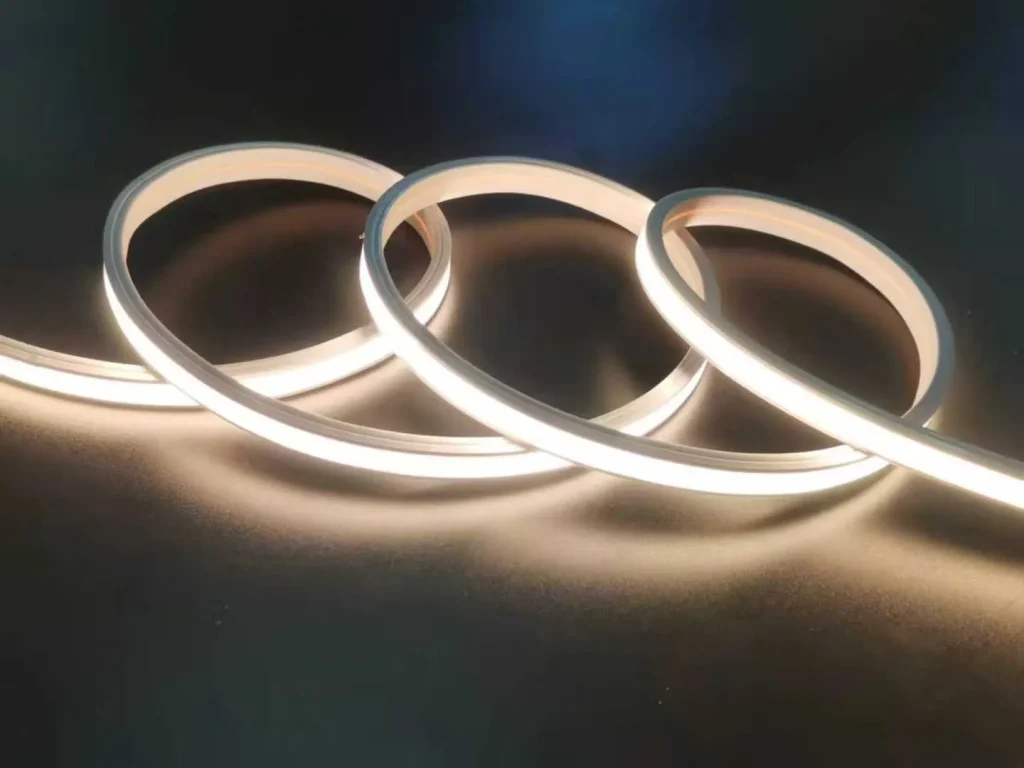
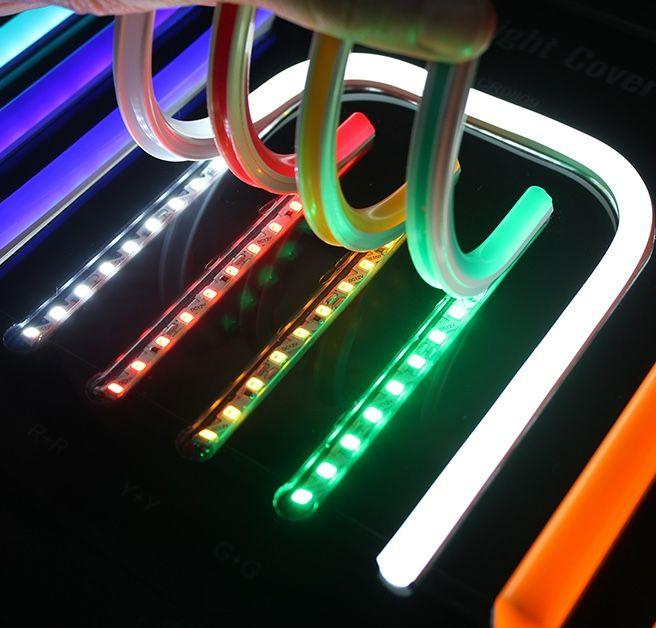
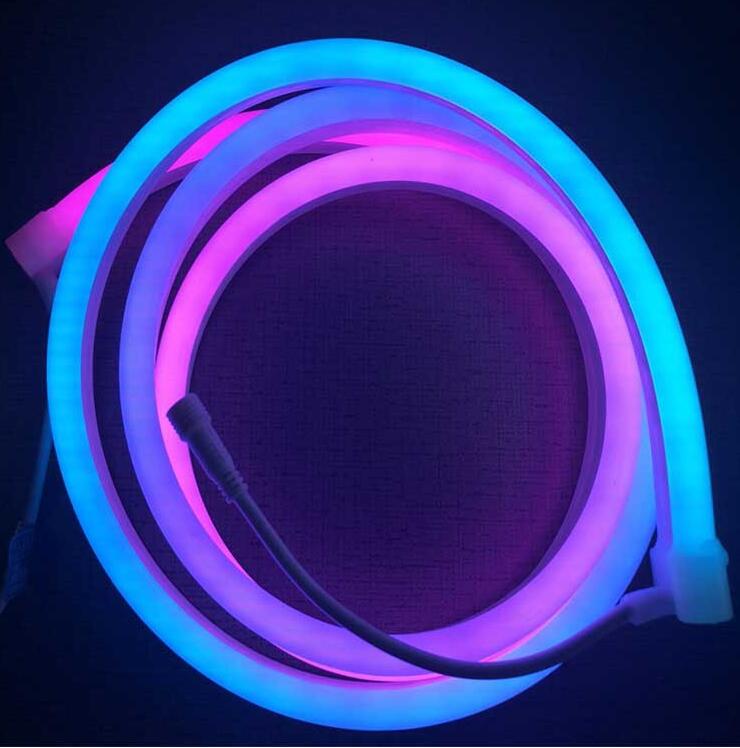
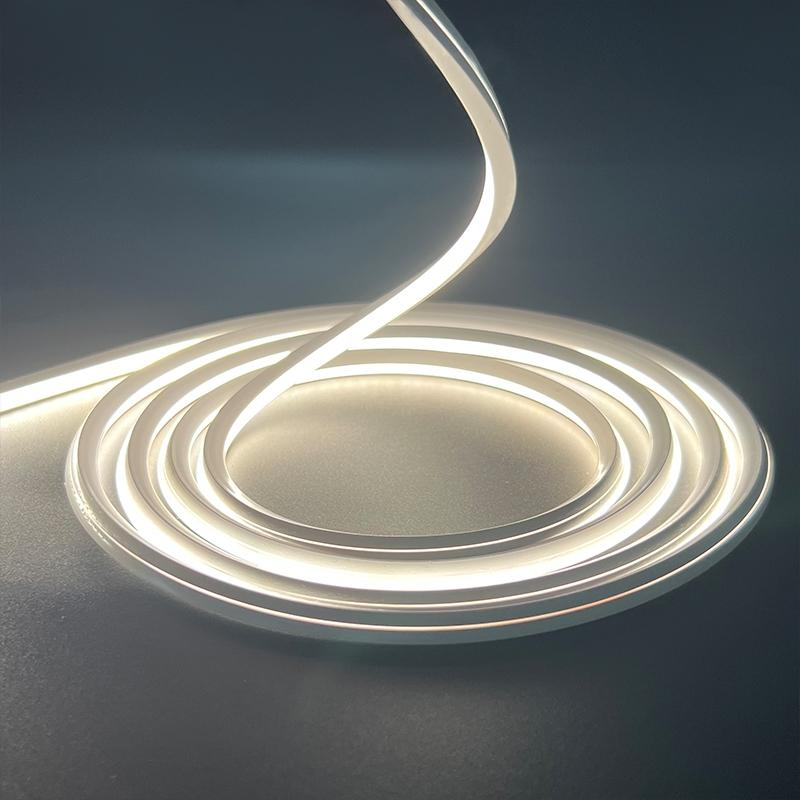
LED neon lights are designed to reproduce the appearance of traditional neon without using gas-filled glass tubes.
Instead, LEDs are enclosed in a flexible housing, commonly made from silicone, PVC, or other suitable materials. The housing diffuses the light to create a continuous glowing line.
LED neon flex is available in different profiles, colors, bending directions, and control options. Depending on the product, it can be used for simple single-color lighting or more advanced RGB and programmable lighting effects.
For more technical details, read our guide to LED Neon Flex Lights.
Advantages of LED Neon Lights
- Flexible design: Many profiles can follow curves, corners, lettering, and architectural outlines.
- Lower operating voltage: Many LED neon products operate at low DC voltage, depending on the model.
- Energy efficiency: LED technology can reduce electricity consumption compared with conventional glass neon, although actual savings depend on the products being compared.
- Durable construction: Flexible housings eliminate the risk of the glass tube itself shattering.
- Simpler installation: Lightweight products and suitable mounting clips or channels can make installation easier.
- Color options: Single-color, RGB, RGBW, and addressable versions are available in selected product ranges.
Are There Any Limitations?
LED neon is not automatically the best choice for every project.
The viewing angle depends on the product’s optical design. Some profiles emit light mainly from one direction, while round profiles can provide more widely distributed illumination.
Light uniformity, color consistency, bending radius, waterproofing, and lifespan also vary by model and manufacturing quality.
Choosing the correct profile and specifications is therefore just as important as choosing LED technology.
Glass Neon Lights vs. LED Neon Lights: Key Differences

Comparison | Glass Neon Lights | LED Neon Lights |
| Light source | Electrically excited gas | Light-emitting diodes |
| Main material | Glass tubing | Silicone, PVC, or other protective housing |
| Operating voltage | High-voltage system | Often low-voltage DC, depending on model |
| Flexibility | Shaped during glass fabrication | Flexible within the product’s specified bending limits |
| Impact resistance | Glass can break | No fragile glass tube |
| Energy consumption | Often higher for comparable applications | Often lower, depending on design and output |
| Installation | Requires specialized handling | Often simpler with suitable clips or channels |
| Maintenance | Glass tube and electrical components may need servicing | Usually less maintenance, but components can still fail |
| Color control | Depends on gas, coatings, and electrical design | Available in single-color, RGB, RGBW, and addressable options |
| Best-known appeal | Traditional, authentic neon aesthetic | Versatile modern decorative and architectural lighting |
There is no single specification that determines which product is best. Compare actual power consumption, light output, operating conditions, product construction, and installation requirements before making a final decision.
Brightness and Lighting Appearance
Both technologies can produce attractive, continuous-looking light, but their appearance is not identical.
Traditional glass neon is often chosen for its distinctive glow and the character of its illuminated glass tubes.
LED neon flex uses a diffuser to spread the light from the LEDs. A well-designed product can produce a smooth, uniform appearance without obvious individual LED points.
However, the result depends on LED density, diffuser material, optical design, viewing distance, and brightness.
For a storefront sign that needs to be easily recognized from the street, consider the viewing distance and surrounding ambient light. For interior decoration, uniformity and visual comfort may be more important than maximum brightness.
Practical tip: Request a sample or illuminated video of the actual product before approving a large order. This helps you evaluate brightness, color, and the appearance of bends and corners.
Energy Efficiency and Operating Costs
Energy consumption is an important consideration for signs and decorative lighting that remain switched on for many hours each day.
Glass neon uses an electrical discharge inside a gas-filled tube and requires a suitable high-voltage power supply. LED neon uses semiconductor light sources and can offer lower power consumption for comparable lighting requirements.
However, it is not accurate to assume that every LED neon product consumes less energy than every glass neon sign. The actual result depends on the sign’s size, brightness, design, and operating hours.
To compare two products fairly, check their actual wattage and required light output.
For example, consider a sign that operates for 12 hours per day throughout the year.
Annual energy consumption can be estimated using:
Annual energy use (kWh) = Power (W) × Hours per day × 365 ÷ 1,000
A 60 W lighting system operating for 12 hours daily would consume approximately 262.8 kWh per year.
Multiply that figure by your local electricity tariff to estimate the annual operating cost.
For commercial installations with multiple signs, even modest differences in power consumption can add up over time.
Durability, Maintenance, and Lifespan
Glass neon tubes require careful handling because glass can break. Depending on the installation, maintenance may involve servicing the tubes, electrical connections, or high-voltage components.
LED neon flex avoids the fragile glass tube and is often easier to handle during transportation and installation. Flexible silicone or other suitable protective housings can also help protect the internal lighting components.
Nevertheless, LED neon is not indestructible. Excessive bending, poor sealing, incorrect power supplies, overheating, or unsuitable outdoor installation can shorten its service life.
When selecting LED neon flex, check:
- The manufacturer’s rated lifespan and test conditions.
- The specified operating temperature.
- The minimum bending radius.
- The waterproof rating and installation requirements.
- The quality of end caps, connectors, and cable connections.
- The warranty and availability of replacement components.
A realistic lifespan estimate should come from the manufacturer’s specifications rather than a general claim that applies to every neon product.
Safety: Which Type Should You Choose?
Safety should be considered before appearance or price.
Traditional glass neon systems use high voltage, and broken glass can create additional hazards. Installation, electrical connections, and servicing should be completed by qualified professionals.
Many LED neon products operate at low DC voltage, which can simplify certain aspects of installation. However, the input power supply may still connect to mains electricity, so correct wiring and suitable electrical protection remain essential.
For outdoor projects, check the complete installation rather than relying on the strip’s IP rating alone. Connectors, cable entries, end caps, and the power supply must also be suitable for the environment.
For commercial projects, verify the applicable electrical and safety requirements in the destination market.
Design Flexibility and Customization

Design flexibility is one of the major reasons LED neon flex is used in modern lighting projects.
Traditional glass neon can be shaped into beautiful custom lettering and artwork, but the process requires glassworking skills and the finished shape is relatively permanent.
LED neon flex offers another approach. Depending on the selected profile, it can be used to create curves, borders, outlines, lettering, and decorative shapes.
Available customization may include:
- Different cross-sectional sizes and bending directions.
- Single-color, RGB, and selected addressable lighting options.
- Different operating voltages and cut lengths.
- Silicone or other protective housing materials.
- Different mounting methods and installation accessories.
- Custom cable lengths and project-specific connections.
Not every neon profile supports every shape or control method. Always confirm the bending direction, minimum bending radius, cutting interval, and compatible controller before production.
For architectural and decorative applications, see our guide to LED Neon Flex for Architectural Lighting.
Indoor and Outdoor Applications
Both glass neon and LED neon can be used for signage and decoration, but the right choice depends on the installation environment.
Indoor Applications
LED neon flex is suitable for many indoor applications, including:
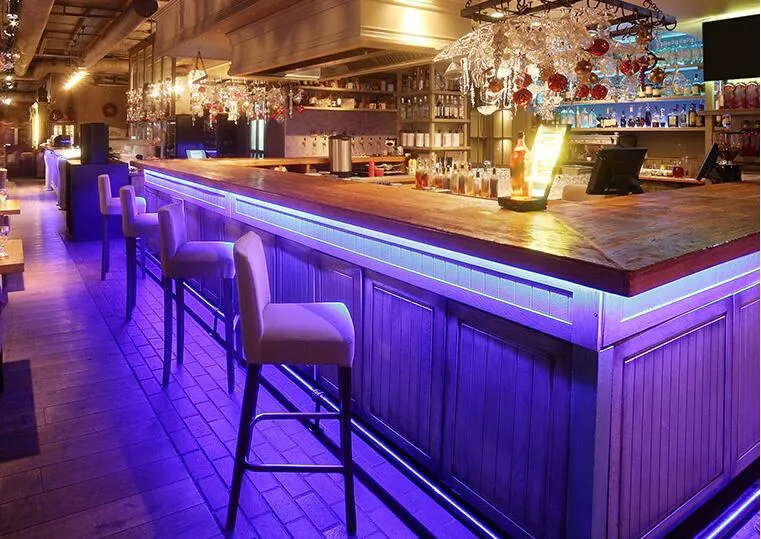
- Restaurant and bar signs.
- Retail displays and product showcases.
- Hotel reception areas and decorative features.
- Home interiors and entertainment rooms.
- Exhibition stands and event installations.
For these projects, designers often focus on color consistency, light diffusion, shape, and ease of installation.

Outdoor Applications
LED neon flex can also be used for suitable outdoor applications, such as:
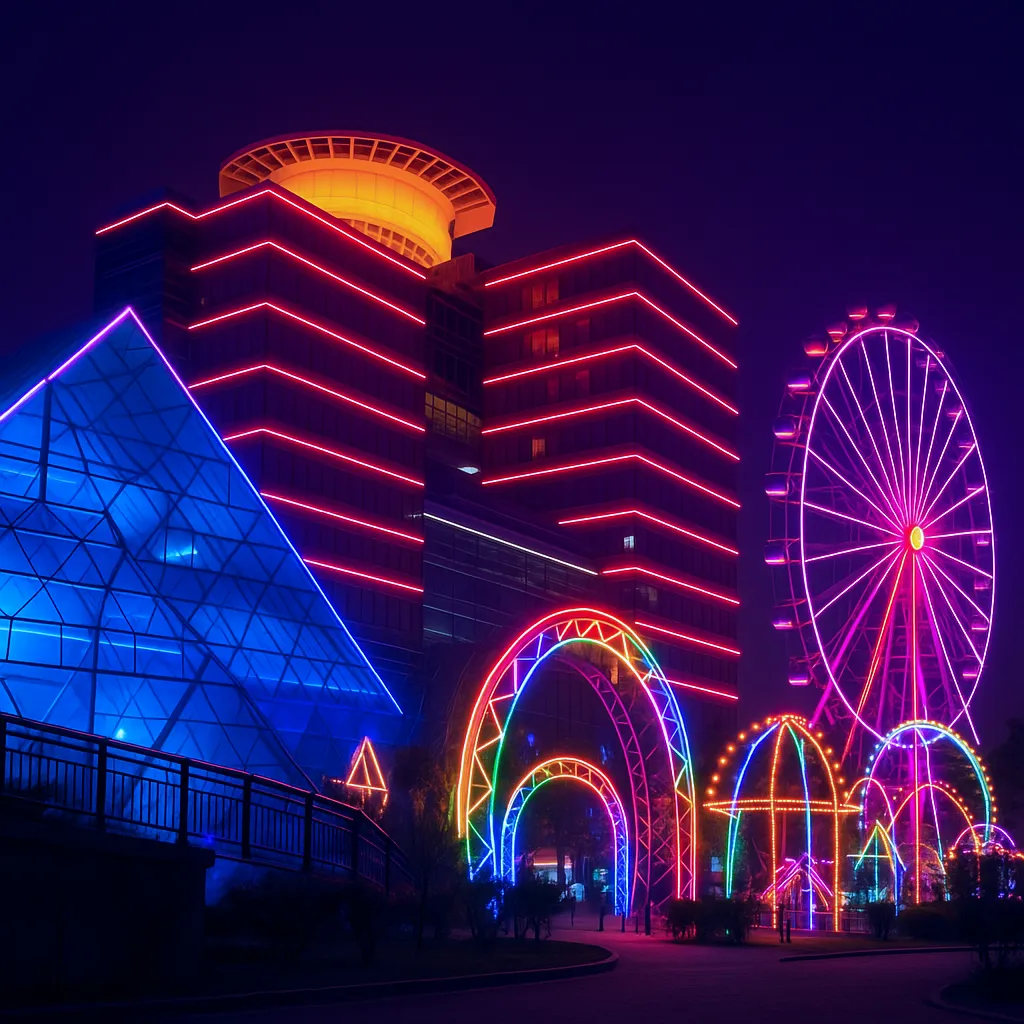
- Building outlines and architectural contours.
- Storefront signage.
- Landscape and decorative features.
- Commercial facades and public spaces.
For outdoor use, select a product with an appropriate IP rating and verify its resistance to UV exposure, temperature changes, moisture, and other environmental conditions.
For submerged applications such as pools or fountains, use products specifically designed and rated for that environment. Do not assume that every waterproof LED neon strip is suitable for continuous underwater operation.
For more options, visit our LED Neon Flex product range.
Price and Total Cost of Ownership
The initial purchase price is only one part of a lighting project’s total cost.
Traditional glass neon may require skilled fabrication, specialized handling, and more involved installation. These factors can increase the overall cost, particularly for complex designs.
LED neon flex can reduce some installation and maintenance costs, especially for projects involving multiple lighting lines or customized decorative shapes.
However, prices vary with product dimensions, brightness, material, waterproof rating, control system, quantity, and customization requirements.
When comparing quotations, consider:
- Product price and required quantity.
- Power supplies and controllers.
- Mounting channels, clips, and accessories.
- Installation labor.
- Electricity consumption.
- Expected maintenance and replacement costs.
- Warranty and after-sales support.
For wholesalers, lighting contractors, and project buyers, the most economical option is the one that meets the required specifications and delivers reliable performance over its intended service life.
Glass Neon Lights vs. LED Neon Lights: Which Is Better?
The best option depends on the purpose of your project.
Choose Glass Neon When:
- You specifically want the traditional glass neon appearance.
- Authentic vintage character is a major part of the design.
- You have access to professional glass neon fabrication and maintenance.
- The installation can accommodate the electrical and handling requirements.
Choose LED Neon Flex When:
- You need a flexible and lightweight lighting solution.
- You want a wide choice of colors and profiles.
- Installation time and ease of handling matter.
- You need suitable options for indoor or outdoor decorative lighting.
- You want to explore RGB or programmable lighting effects.
- You are sourcing products for repeated commercial projects.
For many modern signage, decorative, and architectural applications, LED neon flex is a practical alternative to traditional glass neon.
The important step is to match the product specifications to the actual application instead of choosing based on appearance alone.
How to Choose the Right LED Neon Flex for Your Project
Before ordering LED neon flex, clarify the following requirements with your supplier.
1. Lighting effect
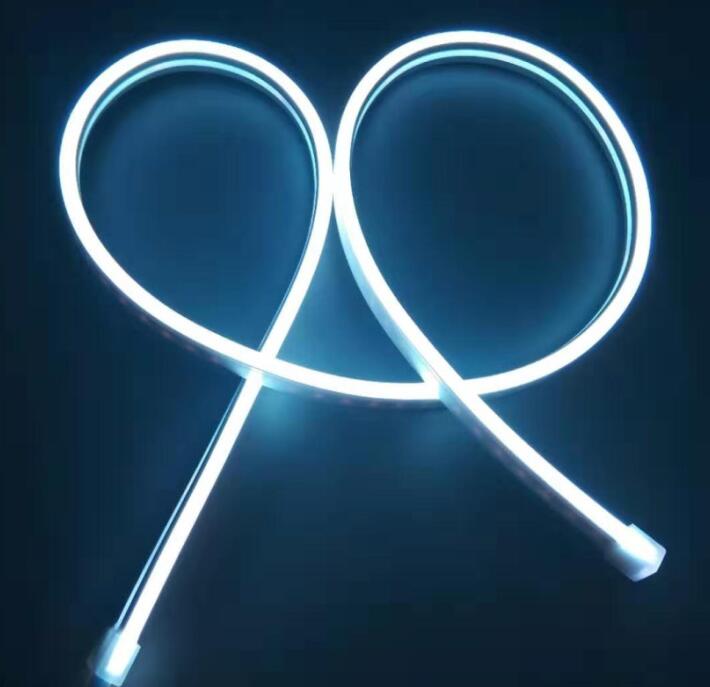
Decide whether you need a single color, tunable white, RGB, RGBW, or individually addressable lighting.
2. Bending direction
Choose a vertical-bending, horizontal-bending, or round profile according to the shape of the installation.
3. Operating voltage
Confirm the available voltage and the required cable length. The power supply and wiring must be designed for the product’s load and installation conditions.
4. Environmental protection
Select an appropriate IP rating for the intended location and verify the protection of all connections.
5. Light output
Check brightness, color consistency, diffusion, and visible light points using product samples when possible.
6. Installation method
Confirm whether you need mounting clips, aluminum channels, special brackets, end caps, or customized connectors.
7. Project quantity and customization
For commercial orders, confirm the required length, color, dimensions, control method, packaging, and delivery schedule before production.
A clear specification list helps reduce communication errors and makes it easier to compare products from different suppliers.
Frequently Asked Questions
1. Are LED neon lights better than glass neon lights?
LED neon lights are often a practical choice for modern decorative and architectural projects because they are flexible, easier to handle, and available in many colors and profiles. Glass neon may still be preferred when an authentic traditional neon appearance is essential.
2. Do LED neon lights use less electricity?
They often do, but the actual difference depends on the power consumption and light output of the products being compared. Check the rated wattage rather than relying on a general percentage.
3. Are LED neon lights safer than glass neon lights?
Many LED neon products operate at low DC voltage and do not use fragile glass tubes or gas-discharge lighting. However, correct power supplies, wiring, installation, and electrical protection are still necessary.
4. Can LED neon flex be used outdoors?
Yes, provided the product is designed for outdoor use and has an appropriate protection rating. Connections, end caps, mounting, and power supplies must also suit the installation environment.
5. Can LED neon lights be bent into custom shapes?
Many profiles can be bent within their specified limits. The permitted direction and minimum bending radius vary by model, so check the product specifications before installation.
6. Are LED neon lights available in RGB colors?
Yes. Depending on the product range, LED neon flex may be available in single-color, RGB, RGBW, or addressable versions. Confirm controller compatibility before ordering.
7. How long do LED neon lights last?
Lifespan depends on LED quality, operating temperature, electrical conditions, housing materials, and installation. Check the manufacturer’s rated lifespan and the conditions used for the rating.
8. Can LED neon flex be used for building facades?
Yes. Suitable LED neon flex can outline architectural features and create decorative facade lighting. Outdoor suitability, mounting, UV resistance, and weather protection should be verified for the specific product.
9. Is LED neon flex suitable for wholesale orders?
Yes. It can be suitable for wholesalers, signage manufacturers, contractors, and lighting distributors. Buyers should confirm specifications, customization options, quality requirements, packaging, and lead time.
10. How do I choose the right LED neon flex supplier?
Look for a supplier that can provide clear specifications, product samples, customization support, quality-control information, and reliable communication. For project orders, confirm the full technical requirements before approving production.
Conclusion
Glass neon lights remain attractive for their traditional appearance and distinctive character. LED neon flex, meanwhile, offers a flexible alternative for modern signage, commercial interiors, decorative lighting, and architectural applications.
When comparing the two, consider appearance, power consumption, durability, safety, installation, and total project cost.
If you are sourcing flexible LED neon lighting for your next project, explore the MSH LED Neon Flex range or read our Ultimate Guide to LED Neon Flex Lights.
Contact MSH LED
Contact: Maisie Ou
Email: info@abrightled.com
Website: www.abrightled.com
Tell us about your required dimensions, color, bending direction, voltage, and application. We can help you identify a suitable LED neon flex solution for your project.